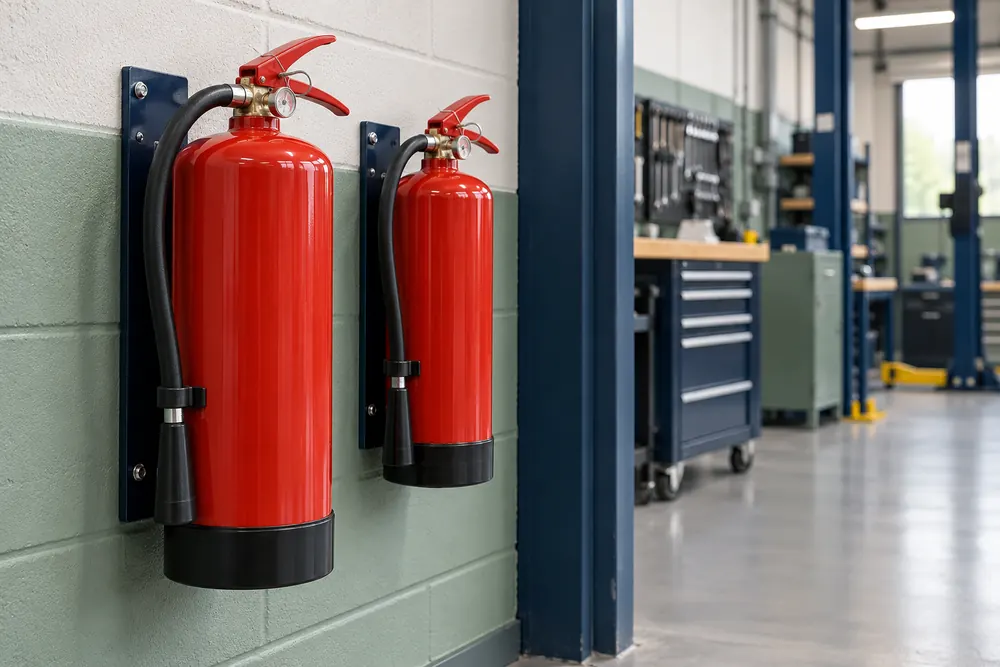
Look After The Equipment You Rely On
Fire extinguisher servicing checks the condition of the portable equipment provided in your workplace. It should also make it easier to see which units are serviceable, which need further attention and whether the inventory still matches the building layout.
We handle enquiries for commercial extinguisher maintenance in Brighton, from offices and retail premises to workshops and warehouses. Share the approximate number and types of extinguishers, their locations and any previous service record so the scope can be established before a visit.
A cylinder standing in a corridor is not automatically a suitable precaution. Its extinguishing medium, condition, accessibility and relationship to the identified hazards all matter, alongside the training and evacuation procedures used in the building.
When To Arrange Servicing
Arrange servicing when planned maintenance is due, when taking over premises with uncertain equipment history or after an extinguisher has been used or damaged. A missing safety pin, signs of leakage, corrosion or a changed pressure indication should be reported rather than left until the next scheduled visit.
Changes to a workshop process, kitchen, storage area or electrical installation may also change the equipment needed. Ask for a review if cylinders have been moved during refurbishment or new partitions have altered where people can reach them.
The Relevant Maintenance Standard
BS 5306-3:2017 sets out the commissioning and maintenance procedures used when servicing portable extinguishers at Brighton business premises. It distinguishes basic servicing from extended service and overhaul procedures, with requirements depending on the equipment and manufacturer information.
The Regulatory Reform (Fire Safety) Order 2005 provides the wider maintenance duty. A service label is a record of attention to a particular unit, not proof that every hazard in the premises is covered or that staff are trained to use the equipment.
How A Service Visit Works
Before the appointment, gather the existing inventory and identify any cylinders in locked rooms, outbuildings or tenant-controlled areas. Tell the service provider about unusual hazards and access requirements so the visit does not leave important locations unexamined.
The technician checks the units within the agreed scope, considering their identity, condition, fittings and relevant maintenance requirements. Equipment that cannot be maintained or is unsuitable for continued service should be identified with a clear explanation and recommendation.
Agree how replacement or extended-service work will be approved before it is undertaken. The visit should finish with an updated record showing equipment locations, work carried out, items needing action and any parts of the site that could not be accessed.
Selecting And Positioning Equipment
The fire risk assessment should inform the types and distribution of firefighting equipment. Water, foam, carbon dioxide, powder and wet chemical units have different applications, and no single type should be assumed to suit every commercial setting.
Selection is a separate judgement from checking the condition of an existing cylinder. If you need a provision review, say so in the enquiry and explain any changes in hazards, layout or occupancy since the equipment was originally installed.
Quoting For Your Extinguisher Inventory
The quotation depends on the number and type of units, their service history, access and whether extended servicing or replacement is required. A site with an accurate inventory is easier to scope than one where cylinders are spread across several unknown locations.
Ask whether the quote includes attendance, basic maintenance, small parts, replacement equipment and disposal. Where a unit needs removal, confirm the arrangements for maintaining appropriate cover and ask for alternatives to be explained before a purchasing decision is made.
Checks Between Service Visits
Nominate someone to look for obvious problems such as missing units, blocked access, visible damage or equipment moved away from its designated position. Record concerns through the building management process and seek competent advice about anything that may affect safe use.
Keep extinguishers visible and accessible without narrowing escape routes. Staff should follow the emergency plan and use firefighting equipment only where their training and the circumstances make that appropriate, with evacuation remaining the priority.
Connect Servicing With Your Wider Fire Plan
Equipment records work best alongside the fire risk assessment, staff instruction and the building logbook. Where a servicing visit highlights changing hazards, review the assessment rather than treating replacement cylinders as the whole solution.
For a quotation, include your Brighton-area postcode, premises type, approximate cylinder count and any known defects. Let us know whether the request concerns one location or a portfolio of commercial sites requiring separately identified reports.
About Extinguisher Servicing
Should Used Extinguishers Be Serviced Straight Away?
A used fire extinguisher needs competent attention before it is relied on again, even if it appears partly full. Report the use, arrange a suitable replacement or servicing plan and record the change. Do not return a discharged unit to its normal position as though it were ready for another incident.
Does Every Extinguisher Need Replacing At A Service?
Fire extinguisher servicing does not mean every cylinder needs replacing. The decision depends on type, condition, service requirements and manufacturer information. Ask for a unit-by-unit explanation of any recommended replacement or extended service, and agree the scope and cost before extra work proceeds so the equipment record remains clear.